

Appearances
Joy Owenby; Loren Schwartz; Joseph Patituce; Omid Nosrati; Reid Breitman; Seni Popat; and 5 others of record
Clarify Matter Expectations
 Joy OwenbyFounder and Family Law Attorney, Owenby Law, P.A.
I try to keep post-matter debriefs practical rather than turning them into a long exercise in second-guessing. I look at what went smoothly, where communication or timing broke down, and whether there were points where we could have anticipated a problem earlier. I also ask the team what they would do differently next time, because the people handling the day-to-day work often spot issues that aren't obvious from the final outcome.
One adjustment that made a noticeable difference was adding a short client-expectations checklist to the start of every new matter. It covers communication preferences, likely timelines, documents we need, and what could cause delays. We adopted it after realizing that many avoidable frustrations came from clients simply not knowing what would happen next. The change took only a few minutes during intake, but it led to fewer follow-up calls, better-prepared clients, and smoother cases.
Review Damages Evidence Early
 Loren SchwartzAttorney, Rouda Feder Tietjen & McGuinn
After a case wraps, I like to hold a short debrief while the details are still fresh. We look at what worked, where communication or strategy could have been better, and whether there were any avoidable delays or surprises. I try to keep it practical rather than turning it into a critique of individuals. Every takeaway gets translated into a specific action, whether that means updating an intake question, changing a case-management step, or creating a checklist for a recurring issue.
One adjustment that made a noticeable difference was adding an early damages review to our case process. We had found that waiting too long to identify gaps in medical records, wage-loss documentation, or other damages evidence could create unnecessary pressure later. Now we address those items much earlier. That simple change has helped us build stronger files from the beginning and avoid scrambling for documentation when settlement discussions are already underway.
Update Pretrial Checklist
 Joseph PatituceManaging Partner, Patituce & Associates, LLC
Bring the team together for a debrief as soon as the matter concludes. During the debrief, review every aspect of the case and encourage everyone to contribute to the conversation. Key points you should cover during the debrief include evidentiary gaps, how your team handled the case's timeline (where you fell behind and where you were able to keep up or get ahead of schedule), and any procedural friction points you encountered. Take note of everything that is brought up and learn what you can. Then use those lessons to update your firm's protocols so that you can avoid those same missteps when you take on your next case. This is a very important step because if the debrief doesn't result in tangible changes (such as an updated workflow), then it's pointless.
One update or adjustment that debriefs can really help with is creating or improving a pre-trial checklist. By learning what mistakes were made during a previous matter, you can create or update a pre-trial checklist that will help ensure that issues like late filings, missed discovery triggers, and tactical missteps will no longer be a problem before your next case even begins.
Revise Employment Intake Questions
 Omid NosratiFounder, Nosrati Law
I like to hold a debrief while the matter is still fresh, usually within a week or two of closing it. I focus on the decisions that affected the outcome, not just whether we won or lost. We look at things such as client communication, staffing, deadlines, discovery, and whether we spent time on work that ultimately didn't move the matter forward. I also make sure we identify one or two changes that someone is responsible for implementing rather than creating a long list that nobody revisits.
One useful change came from realizing that we were sometimes spending too much time responding to issues that should have been resolved during the initial client interview. We revised our intake questionnaire to flag potential retaliation claims, prior complaints, performance documentation, and key decision-makers much earlier. That gave us a better picture of the employment dispute from the outset and helped us develop a strategy faster on subsequent matters.
Document Daily Life Impacts
 Reid BreitmanPersonal Injury Lawyer, Kuzyk Law Personal Injury & Car Accident Lawyers
The most valuable debriefs happen when the file is examined from the client outward rather than from the pleading inward. I review where confusion arose, where expectations shifted, and where legal strategy either matched or missed the human reality of the case. That perspective often reveals problems that a traditional litigation summary would overlook, especially in matters involving long recovery periods and emotional strain.
One concrete change came from seeing how late life impact evidence was being assembled. The next matter started with an early daily limitations log supported by family observations. That simple adjustment produced a richer damages narrative and helped connect medical facts to ordinary disruption in a way decision-makers could immediately understand.
Establish Proactive Contact Cadence
 Seni PopatFounder, Lead Litigation Attorney, Law Office of Seni Popat, P.C.
After a case, we always take time to do a retrospective together as a team. During this meeting, we look at what we think worked and what didn't. Then, we put this conversation into context with the question: What would have served the client better? When we find something we want to do differently, we update our processes right then and there.
One change that's come about as a result of case debriefs is that we are more deliberate about setting expectations with clients from the start, especially expectations around communication. Communication cadence is often a point of friction for clients. Most have never dealt with a personal injury case, and many have never even worked with an attorney. Recognizing this and working to clarify how and when they will hear from us has helped us build trust more quickly and alleviate stress for our clients.
We also work to ensure clients receive regular updates, even if it's just a check-in or a reminder of the work we are doing behind the scenes. Making communication more regular and proactive has improved our client relationships and helped us keep matters moving more efficiently.
Define Dispute Clauses Upfront
 Rajneesh JaswalCo-founder, Cadre ODR
Hold it while the detail is still fresh, ideally within a week, because the useful material is in the small decisions people forget and separate the result from the process. A matter can end well and still have been run badly, which is the more expensive lesson.
The method I trust is simple. Lay out the timeline of the matter and mark every point where it stalled. At each of those points, ask what we actually knew then, and what would have moved it. Then apply a filter: a lesson only counts if it changes a template, a checklist, a clause or who signs off. Anything else is a good conversation that disappears.
In our work at CADRE, across banking, MSME and commercial disputes, one pattern holds. The matters that drag are the ones where no one agreed on a clear process at the start. So the adjustment I hold to is reviewing the dispute resolution clause at the contract stage rather than the argument stage. Naming the forum, the seat, the timelines and who bears the cost takes twenty minutes and decides how fast the next dispute can move.
Protect Privileged Communications
 Elliott JungFounding Partner at HHJ Trial Attorneys, HHJ Trial Attorneys
After a matter concludes, I run a debrief that focuses on what created avoidable risk in the record, especially in everyday communications that later show up in discovery. We walk through the key email and message chains and identify where legal advice got mixed with business discussions, or where too many people were copied and privilege became vulnerable. One adjustment I adopted from those debriefs was to spend more time at the start of the next matter setting clear, simple ground rules for day-to-day communications so legal advice stays confidential and distribution stays tight. In the next case, that upfront alignment reduced privilege disputes and kept the document review cleaner and more focused. It also helped the team avoid rushed messages that could be misunderstood later when the full thread is read in hindsight.
Build Future-Care Proof Sooner
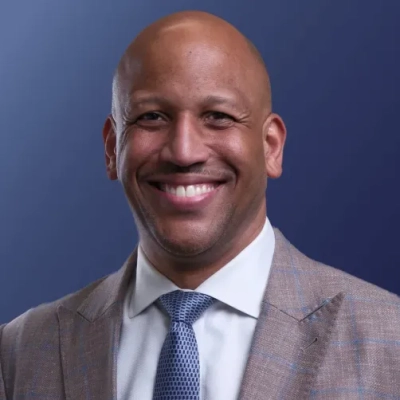 Justin ReeseOwner, J Reese Law Firm
I've handled catastrophic injury, toxic tort, maritime, and MDL litigation since 2011, so my debriefs are very practical. After every major resolution, I ask: what moved value, what almost hurt us, and what should we have done in the first week?
Then I turn the answer into a system change owned by a real person. That may be a new intake question, an earlier expert trigger, a stronger preservation letter, or a different way we prepare the client before mediation.
One adjustment came from a traumatic brain injury case where the defense tried to reduce the claim to current medical bills. After that debrief, we started building lifetime-care and post-concussion/PTSD proof much earlier, instead of waiting until late settlement talks.
In the next serious injury matter, that changed the conversation. We were not arguing only about what had already been billed; we were showing what the client's future actually looked like.
Pair Legal Strategy With Outreach Plans
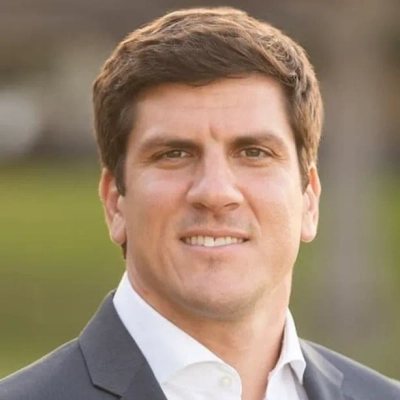 Jonathan SooriashFounder & CEO, J. David Tax law
Our debriefs start by finding the first assumption that turned out to be wrong. Most teams review the end of a case, because that is where the outcome shows up. We look for the early belief that quietly shaped every decision after it. That is usually where the case was really won or lost, and it is the only part you can change next time.
The adjustment that made the biggest difference was writing the client communication plan at the same time as the legal strategy instead of after it. We now prepare both from day one on every enforcement matter. It meant clients were ready for the hard phone call before it came, so they stayed calm and gave us better information. The next matter moved faster because nobody was managing a surprised client on top of the case.
Organize Medical Records Chronologically
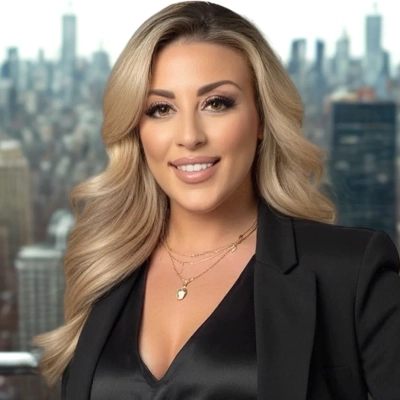 Chrissy GrigorPersonal Injury Lawyer & Founder, Grigor Law Injury & Car Accident Lawyers
I run debriefs with an eye on where negotiation lost seriousness. Often that happens when the other side senses the file was assembled for settlement, not for courtroom scrutiny. In personal injury litigation, trial readiness changes bargaining power long before a trial date arrives. The review therefore focuses on what would have made the defense reassess risk earlier, including document order, witness discipline, and expert timing.
One practical adjustment came from seeing how much momentum was lost when records arrived in fragments. Since then, I organize medical proof into a chronology that highlights progression, gaps, and causation issues before anyone else frames them. In the next matter, discussions became more productive because the defense could see the case had already been built for contested litigation.