

Appearances
Pete Srodoski; Barbara Kristanic; Marcus Denning; Gwen Chelidze
Pick One Fix Then Coach Inside Draft
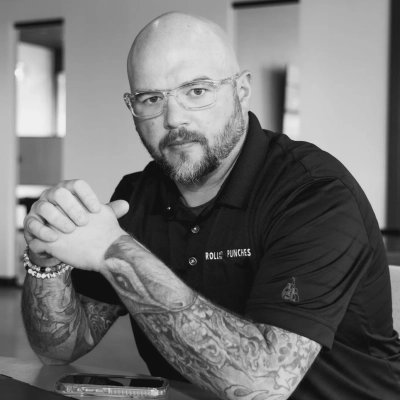 Pete SrodoskiThe Operator, CEO & 3x COO, Roll With the Punches
Under a deadline, the mistake partners make is fixing the associate's draft themselves. It's faster today and it costs you forever, because the associate learns nothing and you stay the bottleneck on every matter.
Here's what works. Give the feedback in the work, not in a separate meeting you don't have time for, and use three beats: situation, behavior, impact. "In the Henderson brief, the statement of facts argued the law instead of laying out the timeline. That makes the judge hunt for our story and it weakens the motion." Specific, observable, tied to why it matters. No "you always," no character read.
Then the move that raises quality on the very next draft: pick one thing. Under deadline you can't fix twenty issues and neither can they. Name the single highest-leverage problem, the one most likely to hurt the client or the outcome, and make them fix it. Flag the pattern, not every instance. "You did this in three spots. Find the other two and fix them." That trains judgment instead of teaching them to wait for your red pen.
It feels slower. It isn't. You spend ten focused minutes instead of rewriting their work at 11 p.m., and the next draft comes back better because they had something they could actually act on.
Clear is kind here. Vague, cushioned feedback to spare someone's feelings is how the same mistakes show up on the next matter, and how a good associate quietly burns out never knowing where they stand.
Pete Srodoski, former CEO and 3x COO (up to $150M), creator of R3, an operating system for law firms, and an accredited Georgia Bar professionalism CLE instructor.
Follow Notes With Immediate Conversation
 Barbara KristanicPartner, Nathens Siegel LLP
Under heavy deadlines, I find that the most productive and efficient way to deliver feedback on draft documents to junior lawyers without slowing a matter down is to provide written comments/notes followed almost immediately by an in person chat with the junior lawyer. This allows the senior lawyer to provide further clarity and detail, and also allows the junior to ask any clarifying questions that he or she may have.
An in person meeting reviewing the main goal/purpose of a document as well the plan/tools on how to achieve the same often goes quite far in improving the effectiveness/quality of a second draft.
Give Clear Directions To Preempt Attacks
 Marcus DenningSenior Lawyer, MK Law
When we are under a heavy deadline, providing a directive feedback allows me to get the most effective results. Instead of telling a junior lawyer where they were wrong, I tell them what needs to change and how that change would affect the outcome of the case we are handling. For example, in a criminal defence file, I will state that the bail application should take the strongest mitigating factor from the third page, and put that at the top of the application. Since a Magistrate is reading 50 applications that day, it will not be possible for them to get three pages into the application, so they would miss the strongest mitigating factor. Giving that level of specific direction saves an additional revision cycle that I would have otherwise spent.
Along with that, I have this one standard approach that makes sure the document withstands what the opposing side can throw at it. I will have a junior lawyer evaluate where, if they were opposing counsel, would be the first place they would attack the draft before I give them the initial feedback on where they need to make improvements. The purpose of evaluating an argument outside of it prepares the junior for stress testing their own argument, forced to evaluate where the hardest question can come from, before committing to the argument. This process has reduced my rounds of feedback on drafts from 3 rounds to 1 round.
Favor Practical Case Specific Guidance
 Gwen ChelidzeFounder, Real Estate Attorney, Lux Law, P.C.
I focus on practical feedback, without criticism and without theoretical explanation, to avoid delay of the work under a heavy deadline. And I stay focused on the specific facts affecting this client's matter.