

Appearances
Gerard Virga; Jonathan Sooriash; Anthony Guerriero
Speak Directly When Emotions Flare
 Gerard VirgaFounding Attorney, The Virga Law Firm, P.A.
Family law often involves people going through one of the most stressful periods of their lives, so I try to match the communication method to the situation. Routine updates can stay in writing, but if emotions are escalating or decisions have long-term consequences, I prefer speaking directly. A conversation lets me answer questions immediately, slow the pace when necessary, and make sure everyone leaves with the same understanding.
I represented a client whose former spouse misunderstood a proposed modification to child support after reading a lengthy email. The misunderstanding quickly turned into accusations that no one intended. We arranged a brief conference call with both attorneys, walked through the calculations step by step, and corrected the confusion in less than thirty minutes. What looked like a major dispute turned out to be a communication issue, and resolving it early saved everyone considerable time and expense.
Match Forum to Task and Stakes
 Jonathan SooriashFounder & CEO, J. David Tax law
Medium should match the legal task, not personal preference. Email is excellent for preserving record and exchanging documents, but it often rewards caution over clarity. When stakes rise, that can distort judgment because people write for posterity instead of resolution. A call is ideal for testing assumptions. Video is useful when the conversation needs both accountability and empathy. An in-person meeting matters when a client must absorb difficult advice, weigh risk, and make a durable decision under pressure.
One turning point involved a small business owner facing trust fund exposure. The email thread with accountants and stakeholders had become fragmented, with each participant defending a different version of events. I convened an in-person meeting. Once everyone heard the same facts, the real issue surfaced, which was control over payroll decisions. That clarity reshaped the defense strategy and materially improved the outcome.
Call When Threads Stall on Decisions
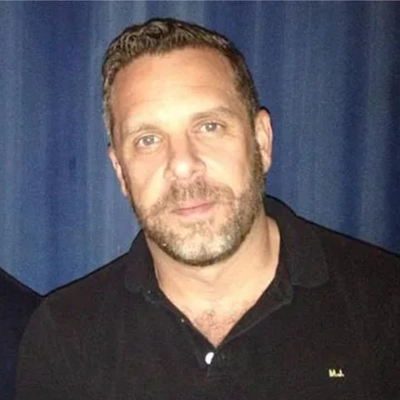 Anthony GuerrieroCo Founder, Manhattan Miami Real Estate
I am not an attorney, so take this from the client side of the table. I run transactions where counsel sits on every thread, in a market where a co-op board package can push a closing out ninety to a hundred and twenty days, which gives a disagreement plenty of room to grow in writing.
My rule is simple. When a thread starts producing positions instead of decisions, it has stopped being the right instrument.
The tells are consistent. Replies get longer while the number of open items stays exactly the same. Somebody restates a point they already made, this time in bold. People get added to the chain in place of answers.
There is a reason for that, and it rarely gets said out loud. Email has an audience. People write for the cc line, positions harden because retreating is now on the record, and the client is watching their attorney not blink. A call has no gallery. That alone resolves a surprising share of what looked like a substantive dispute.
I would not move everything to video, though. Video means scheduling, and scheduling means days. On a genuinely sensitive item a phone call this afternoon beats a well organized meeting on Thursday, and in a deal with a contract date, Thursday can cost you the deal.
One thing I do insist on. Whatever gets decided on the call goes back into email in about three lines, written by whoever made the call. Not a transcript. The decision, and who is doing what by when. You get the speed of the conversation and you still have the record, which is the whole reason people were hiding in email in the first place.
Reset Alignment with a Focused Meeting
Long email chains grow messy as new people join, subjects drift, and old advice gets quoted out of place. It becomes hard to know which version is final and who approved what. Reply-all mistakes can expose strategy or client facts to the wrong reader.
The chain also invites side debates that split the record and slow decisions. A short meeting can set a clean agenda, assign tasks, and capture one clear summary. Step back from the thread and schedule a meeting today.
Shield Privilege Through a Private Line
Email can chip away at legal privilege when messages are forwarded, copied to others, or mixed with business talk. Subject lines and headers can leak context that later looks non-legal. Disclaimers rarely fix a waiver once the circle widens.
Document searches in a case also thread emails in ways that expose legal advice to outsiders. A short call or secure meeting keeps the audience small and the record focused on legal advice. Move the discussion to a call to protect privilege now.
Verify Funds by Voice to Thwart Fraud
Email is the main entry point for scams that target law matters, especially during busy filings or deal closings. Attackers spoof domains, hijack threads, and slip in new payment or settlement terms. Even careful readers can miss a swapped letter or fake link.
When fraud risk rises, written replies give attackers more text to mimic and more timing to study. A phone check or in-person talk can confirm names, amounts, and next steps without feeding the trap. Pause the email chain and verify by voice right away.
Keep Data Onshore with Local Review
Some laws require certain data to stay within a country or a specific server. Routine email can route through foreign systems, backups, or mobile devices that break those rules. Even encrypted messages may violate transfer limits if the path crosses borders.
Fines and evidence problems can follow a simple send. Using a local platform or an in-person review keeps the data where it must stay. Take the chat offline and meet in the country where the data must stay now.
Use Interpreters to Confirm Comprehension
Email lacks tone and context, which makes legal jargon even harder for non-native speakers. Simple words can carry special meanings in law that machine translation will miss. Misread humor or sharp phrasing can also harm trust.
Short notes back and forth can hide a deep misunderstanding for days. A live talk with an interpreter can test understanding and settle terms in plain speech. Set up a call with language support today.