

Appearances
Lou Ezrick; Joy Grout; Dmitriy Lyubarskiy; Reid Breitman; June Liu; Chrissy Grigor
Use Predictable Meals and Movement Breaks

I see this through the physical therapy lens: shift workers are often stuck in one posture, under-recovered, and eating when their body wants to sleep. I structure food the same way I structure rehab: predictable inputs, small course corrections, and no heroic plan that fails by Wednesday.
For an overnight schedule of 11 p.m.–7 a.m.: 8:30 p.m., an “anchor meal” before work—rice or potatoes, chicken, eggs, or tofu, vegetables, and olive oil. At 1:00 a.m., have a snack—Greek yogurt and a banana, or oatmeal with nuts.
Around 4:00 a.m., keep it light: a turkey sandwich, egg wrap, or leftovers in a small container, not a giant greasy meal. After work, around 7:30–8:00 a.m., have a small wind-down meal like toast with peanut butter or cottage cheese so you’re not going to bed either stuffed or starving.
For hydration, I like tying water to movement breaks: drink when you arrive, when you change position, and when you eat. That also forces the “shake break” I’m always pushing—don’t let your body stay locked in one work posture for longer than about 45 minutes if you can help it.
Pair Whole Foods With Steady Sips

As a certified health coach with over 20 years of experience, I focus on stabilizing blood sugar and supporting digestion through holistic glycemic awareness. I have clients carry a water bottle to sip steadily across their shift, which keeps joints lubricated and maintains mental focus without causing digestive heaviness.
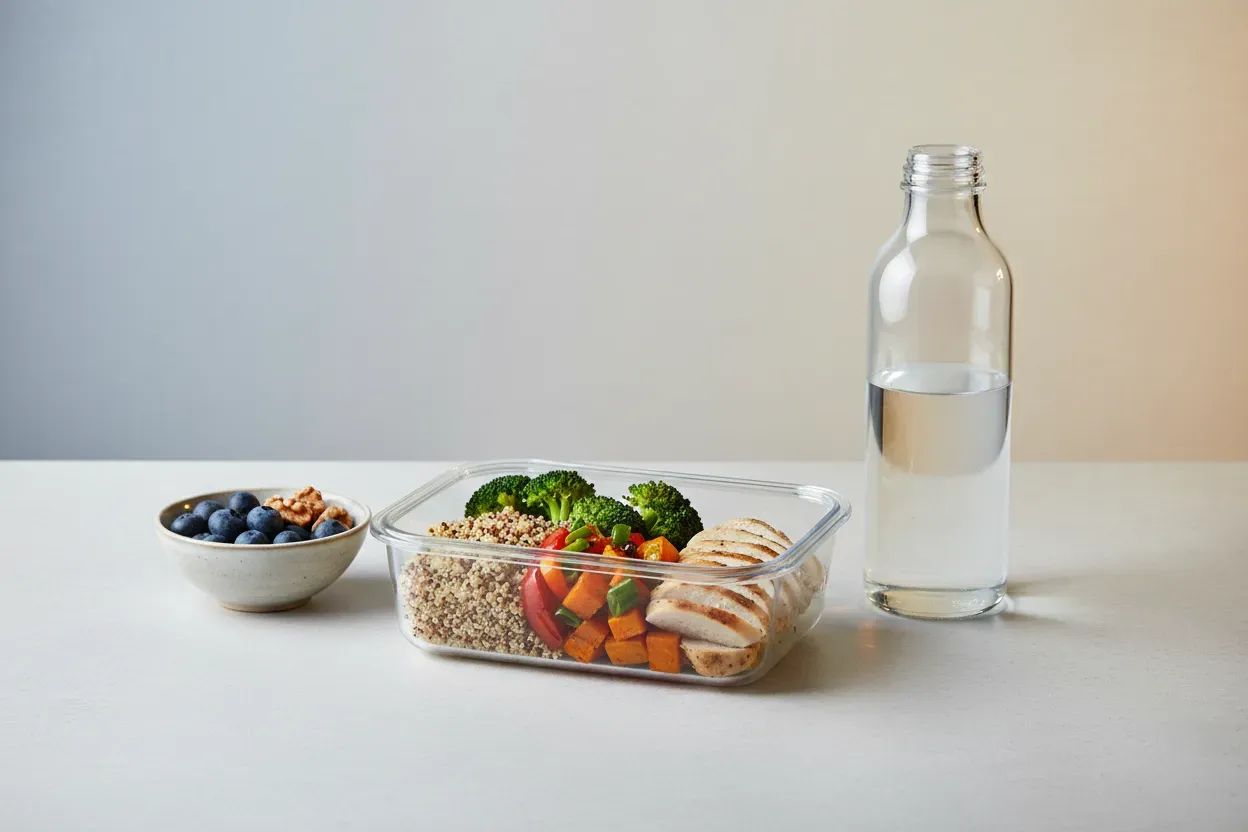
For a real overnight routine without prep stress, start the shift with a batch-made protein base, such as Power Protein Quinoa Pancakes topped with fruit. Mid-shift, maintain energy by eating simple homemade energy bites made with oats, dates, and nut butter, or apple slices with natural peanut butter in one-third cup portions.
To wind down before sleeping during the day, choose light, whole foods like vegetable sticks with hummus to prevent heavy digestion from disrupting rest. Practicing this mindful pairing protects your metabolism and keeps your energy consistent from one shift to the next.
Match Meal Times to Sleep Cycles
 Dmitriy LyubarskiyOwner · Fortira Fit
With rotating or overnight shifts, I structure nutrition around the person's wake-sleep cycle rather than the clock. The goal is to create predictable eating intervals, emphasize balanced meals earlier in the wake period, and avoid very large or heavy meals during the biological night, when digestion can feel slower. I also encourage steady hydration throughout the shift instead of trying to catch up all at once.
For a typical 7 p.m. to 7 a.m. shift, a simple schedule might be:
* 5:30-6:00 p.m.: main meal with protein, vegetables, and a high-fiber carbohydrate
* 10:00-11:00 p.m.: balanced snack such as Greek yogurt with fruit or a turkey wrap
* 2:00-3:00 a.m.: lighter meal such as a chicken-and-rice bowl, soup with whole-grain bread, or overnight oats
* 5:00-6:00 a.m.: small snack if needed, such as fruit with nuts or a protein-rich yogurt
* After the shift: light meal only if hungry, followed by the usual sleep routine
For hydration, I recommend starting the shift already well hydrated, then drinking regularly rather than consuming large amounts at once. I also suggest tapering caffeine several hours before planned sleep.
The most useful lesson is that shift workers usually do better with a repeatable structure than with rigid "breakfast, lunch, dinner" rules. When meals are timed around energy demands and sleep, it becomes easier to maintain steady energy, digestion, and consistency without extensive meal prep.
Pair Water With Modest Overnight Meals
 Reid BreitmanPersonal Injury Lawyer · Kuzyk Law Personal Injury & Car Accident Lawyers
Shift workers often mistake dehydration for hunger, especially in air-conditioned workplaces where thirst is easy to overlook. I advise pairing every eating break with water and keeping meals modest after midnight. Large portions can be harder to digest when the body expects sleep, while a measured combination of protein and fiber provides steadier energy than sweets alone.
A manufacturing employee used a simple pattern that required little preparation. Before work, a breakfast burrito with eggs, beans, and spinach provided a solid base. Around midnight, leftovers in a thermos supplied a warm meal. At 3 a.m., the employee ate plain yogurt with granola. Water was kept at the workstation, with one refill before lunch and another before the final break.
Front-Load Hydration and Keep Snacks Light

At Lang Ocean Spa, I frequently work with clients whose demanding work schedules strain their nervous system and slow their natural digestion. To keep energy steady, I advise front-loading hydration with water before your shift begins and avoiding heavy meals during the peak overnight hours when the body naturally expects rest.
A simple schedule that works well is eating a balanced whole-food meal like oatmeal or eggs with fruit right before your shift starts. Mid-shift, around 2:00 AM, keep digestion easy by having a quick, no-prep snack like a handful of raw almonds and an apple to maintain steady focus without sluggishness.
When winding down in the morning, have a cup of warm herbal tea and a small container of plain yogurt before heading to bed. This routine keeps your body nourished without overburdening your digestive system, allowing for deeper, restorative sleep.
Eat Real Meals Around Work Demands
 Chrissy GrigorPersonal Injury Lawyer & Founder · Grigor Law Injury & Car Accident Lawyers
On rotating shifts, the first meal after waking should not automatically be breakfast food. I tell people to use a test: eat a real meal when they need work energy, regardless of whether it is 5 p.m. or 5 a.m. This avoids the pattern of surviving on pastries and coffee, then arriving home too hungry to sleep comfortably.
A worker starting at midnight might eat salmon, potatoes, and vegetables at 10 p.m., bring overnight oats for 2 a.m., and have a clementine with walnuts near 5 a.m. Water can be split into modest amounts at the start, midpoint, and final break. Keep the last meal light to protect sleep.