
Appearances
Jarrod Smith; Elizabeth Kayatta; Blaine Rogers; Barry Nussbaum
Prioritize Independence and Layperson Clarity
JS

A New Era in Legal Journalism and Expertise
Q&A
Expert witnesses can make or break a case, yet many attorneys struggle to present them effectively to judges and juries. This article explores practical strategies to enhance witness credibility, drawing on insights from legal professionals and seasoned trial experts. Learn how to select the right witnesses, prepare them for cross-examination, and present their testimony in ways that resonate with decision-makers.
Jarrod Smith; Elizabeth Kayatta; Blaine Rogers; Barry Nussbaum
We prioritize independence and relatability so our experts come across as professionals explaining what went wrong. Background checks on prior cases and testimony are essential for maintaining alignment. I manage them by focusing on storytelling: connecting medical facts to the human impact in a way jurors understand. A preparation tactic that improved impact significantly is having them explain their opinions to a layperson before trial; if it makes sense to someone with no medical background, it will resonate with a jury.
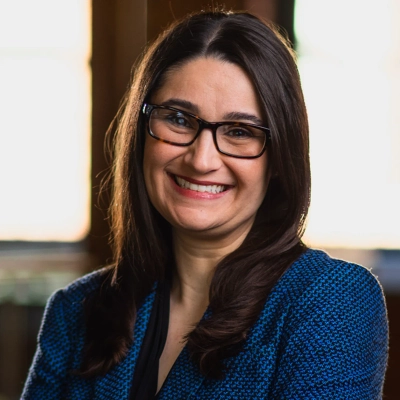 Elizabeth KayattaMedical Malpractice and Personal Injury Attorney, Berman & Simmons
Persuasive experts in medical malpractice are going to be actively practicing physicians in the same specialty with credentials that reflect the defendant's as closely as possible. I look for clinical credibility first and then communication ability. They have to be able to explain complex complications in a simplified way without sounding rehearsed or defensive in order to have the best chance of landing the jury.
We vet prior testimony and deposition transcripts to make sure their opinions have held steady over time. We also use recorded mock cross-examination for preparation so that when experts watch themselves back, they immediately see where they are over-explaining or sounding inauthentic. By the time they're in a real deposition or on the stand, they are harder to shake.
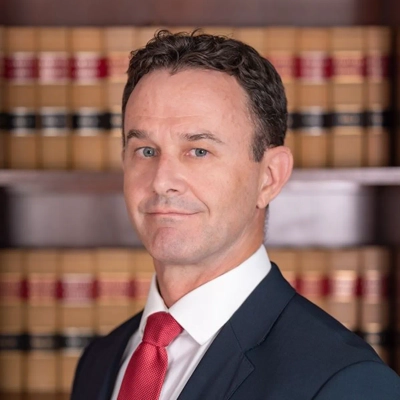 Blaine RogersAttorney, Davis Levin Livingston
We choose experts who understand both claims handling standards and industry customs like former adjusters or claims managers with real-world experience. Credibility comes from their ability to explain what should have happened versus what the carrier actually did, without sounding like an advocate. Our team manages them by solidifying their opinions in objective standards and documented timelines. We walk them them through the claim file chronologically and have them justify each decision point out loud which has improved clarity and exposes weak spots before deposition.
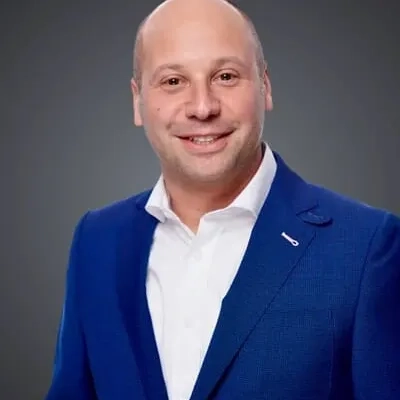 Barry NussbaumOwner and Senior Lawyer, Nussbaum Law
When I'm looking for an expert, I look for the following: no prior testimony in similar cases, no history of being a repeat retainer of the same lawyer, and their ability to say what they think without being too technical.
It's because judges in family court don't trust experts who are on their panel over and over again. Why? This renders their testimony to appear as advocacy, as opposed to being an objective and impartial set of eyes, and this damages their testimony prior to the cross-examination.
The one preparation tactic that never failed me was training experts to focus on making conclusions based on the judge's decision, not their own field of interest. A forensic accountant, explaining the differences in accounting in an accounting manner would most likely lose the room and the judge. However, the same accountant's statement of "this number directly affects the support calculation by X dollars" provides the judge with what he or she needs to decide. That reframe is what separates testimony that informs from testimony that decides.