


Appearances
Gerard Virga; Reid Breitman; Joshua Alexander; Rajneesh Jaswal; Elliott Jung; Jonathan Sooriash
Promote Technology Guidance Beyond the CLE
 Gerard VirgaFounding Attorney, The Virga Law Firm, P.A.
I recently presented at a Continuing Legal Education (CLE) seminar conducted by The Family Law Section of the Florida Bar. The focus of my presentation concerned the use of technology in family law and how lawyers can better serve their clients by taking advantage of various kinds of technology, including AI tools. Leading up to and following the event, I publicized my appearance on my blog and by reaching out to local media outlets. I also invited law students in the area to attend and learn more about some of the technology on the horizon that could be available to them during their careers.
Frame Injury Strategy Through Business Fluency
 Reid BreitmanPersonal Injury Lawyer, Kuzyk Law Personal Injury & Car Accident Lawyers
The speaking opportunity that most elevated my profile was a panel for young trial lawyers on cross-disciplinary thinking in injury cases. Instead of offering standard litigation tips, the presentation showed how training in finance, real estate, and corporate law can sharpen case strategy, especially when damages involve future earning loss, property issues, or layered insurance questions. That perspective felt fresh because it framed advocacy as a long-horizon problem rather than a series of short motions.
I built my personal brand from that response. Every professional introduction highlighted practical judgment, business fluency, and the ability to make difficult facts understandable without losing precision.
Earn Trust Through Community Service
 Joshua AlexanderManaging Attorney, J. Alexander Law Firm, P.C.
A local radio interview connected to a Mother's Day event for single mothers in Dallas-Fort Worth did more for my public reputation than a legal conference.
Legal panels and journal articles reach other lawyers. They have professional value, but most people who need a personal injury lawyer do not attend those events or read legal publications. They may not know a lawyer's name until a crash or other injury creates a need for legal help.
The radio interview reached local listeners in the Dallas-Fort Worth area. I spoke about being raised by a single mother, the responsibilities many single mothers carry, and why our firm held the Mother's Day event. The interview focused on the event rather than legal services. Listeners learned about the firm's values and its connection to the community.
That experience changed how I approach marketing and community involvement. The firm should support local organizations and residents because the work matters, not because it creates a marketing opportunity. When an event serves a real community need, local media coverage and public recognition may follow.
Lawyers who want to build recognition should spend time where prospective clients live, work, and receive local information. Participate in community events, support local causes, and speak to local media about the work the firm has actually done. A legal audience may know many attorneys. Local residents remember the firms that consistently engage with their community.
Teach ODR With Depth and Clarity
 Rajneesh JaswalCo-founder, Cadre ODR
I'd point to teaching rather than a stage. CADRE ran a 40-hour elective at National Law School, and we're launching another course with a law school partner. Standing in front of students for that long does something a panel can't. You can't repeat three talking points for forty hours. You have to explain the whole system, including the parts you're still working out.
What we've done with it since is straightforward. The classroom material became the basis for how we explain ODR publicly, in the same plain language. It also gave us a clean way to correct the misconception I run into most, which is that ODR is a debt recovery tool. It's far broader than that, covering tenancy, employment settlements, commercial contracts and consumer disputes.
If you're building a legal profile, look for formats that force depth. A 20-minute panel rewards a well-polished line. Teaching, long-form writing or a detailed submission rewards actually knowing the subject, and in a field where the practice is still being defined, that's what people remember when they need someone.
Share Real Trial Lessons, Not Branding
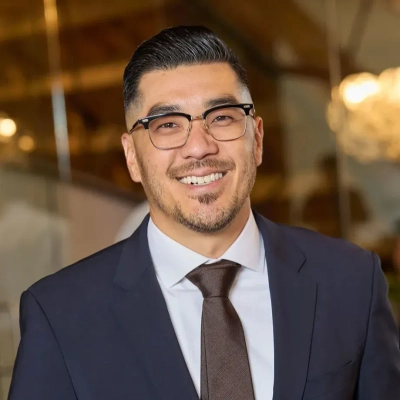 Elliott JungFounding Partner at HHJ Trial Attorneys, HHJ Trial Attorneys
Truly, I never thought that being given one speaking opportunity could turn me into a respected legal authority overnight. One experience that I will always remember fondly is teaching trial skills as an adjunct professor at California Western School of Law. I have also served as a coach for law students competing in trial competitions, thus giving me the opportunity to discuss how things are really done in the courtroom as opposed to how things are supposed to be done.
I have tried over 50 cases to juries, yet teaching led me to understand that knowing how to try a case and being able to articulate why one makes certain choices is not the same thing. Some of my most fruitful discussions were sparked by questions asked by my students which I myself no longer even asked. These questions forced me to think more deeply about the process of preparing a case, telling a story to a jury, and representing a client in an adverse situation.
I actually think I dislike the idea of “building a personal brand.” The important thing is that other people got to listen to me speaking about something that I am really doing.
So in all my following attempts to give talks, I tried to do it in the same way—to speak about real cases, real experiences of mine, real mistakes. My conclusion to everybody who wants to speak is quite clear: do not speak for exposure. Choose topics you have real experience in and be yourself.
Address Tax Concerns With Practical Judgment
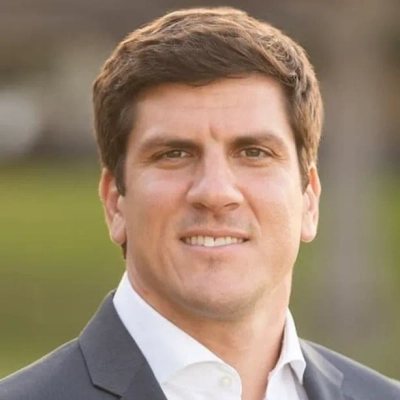 Jonathan SooriashFounder & CEO, J. David Tax law
The speaking opportunity that elevated our profile most was a small business forum on tax enforcement during uncertainty. It mattered because business owners ask practical questions about payroll taxes or a levy disrupting operations. The discussion connected tax law with cash flow, leadership stress and delayed action. That made the conversation more useful than a legal presentation.
We used the event to stay close to concerns raised in the room instead of chasing visibility. Our follow-up materials focused on the problems discussed. That relevance created referrals and media interest while building stronger trust with business audiences. It also shaped our brand around practical legal judgment and the real impact tax disputes have on decision makers.