

§ How this was made
The perspectives in this article were written by the named contributors and submitted through Connectively. Connectively's automated system selected them and used AI to write the headline, introduction, section headings, summary sections, and illustration, and to make minor edits for clarity. Articles are assembled and published automatically. Report errors to corrections@connectively.us. How we make our content

Illustration generated with AI
Appearances
Seni Popat; Frank Demming; Justin Reese; Jonathan R. Marko; Elena Mochales
Showcase Firm Culture and Team
 Seni PopatFounder, Lead Litigation Attorney, Law Office of Seni Popat, P.C.
I approach social media as a means to create an authentic representation of me and my firm. As a law firm, we have, of course, ethical obligations around how we discuss cases and outcomes. With this in mind, I focus on sharing our values, our approach to serving clients, and the culture we've built. I also celebrate any professional accolades I, my team, and the firm as a whole receive.
When sharing on social media, I love showcasing the people behind the firm and letting their passion and accomplishments come through. We share why we care about our clients, highlight the standards we hold ourselves to, and show the personalities that shape the practice.
As a boutique firm known for personalized, hands-on representation, our people are the heart of our business. By highlighting our people as the heartbeat of the firm, we can create a connection with the audience without stepping into any ethical gray areas.
Share General Law Updates With Attribution
 Frank DemmingOwner, DIGIniche Solutions
In my decade-plus helping law firms build compliant social strategies through DigiNiche Solutions, I've seen how ABA Rule 7.2 shapes everything from Instagram captions to ad copy. It pushes us to keep content factual and contact details visible without crossing into personalized advice.
One approach that worked well was posting regular reminders about local laws paired with photos or short videos. The Margarian Law Firm example of sharing California Lemon Law updates let them stay relevant and helpful while staying within bounds by sticking to general jurisdiction information.
This format kept posts engaging without promising outcomes or soliciting direct responses. It also satisfied the rule that every ad or post must clearly identify the firm or lawyer behind it.
Highlight Philanthropy and Personal Authenticity
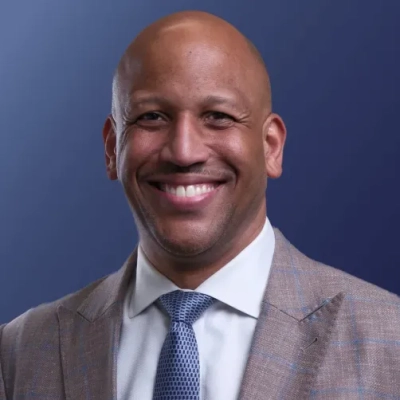 Justin ReeseOwner, J Reese Law Firm
My national visibility on Southern Charm New Orleans gave me direct experience turning a public platform into ethical outreach for my firm. I focused content on civic engagement and community values rather than case details to stay compliant with bar rules.
One approach that worked was highlighting philanthropic efforts like literacy programs and youth mentorship in New Orleans. This built audience connection through shared local impact without promising outcomes or soliciting clients.
I shared personal stories, such as my role as a father and F1 enthusiasm, to show authenticity. Those posts kept conversations human while steering clear of any legal advice or specific representations.
This method let me maintain integrity as a certified mediator and trial attorney while resonating with people who value real engagement over promotion.
Use Podcasts to Explain Case Processes
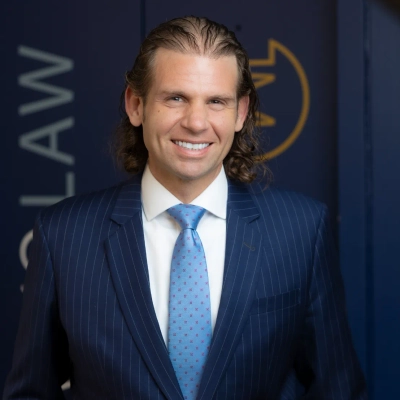 Jonathan R. MarkoFounder & Principal Attorney, Marko Law
Trial lawyers operate under strict bar rules on advertising and solicitation, so every post we put out gets filtered through that lens first. The thing that actually freed us up creatively was leaning into storytelling around process rather than outcomes—explaining what it feels like to sit across from a Fortune 500 company's legal team, or what goes into preparing a catastrophic injury case for trial, without making promises about results.
The biggest unlock for us was our podcast, Cases Gone Wild. It gave us a long-form space to discuss real legal issues—police misconduct, whistleblower cases, jury psychology—in a way that educated people without crossing into solicitation. Audiences connect with authenticity, and breaking down how a civil rights case actually works resonates far more than a billboard ever could.
One concrete example: after the ~$896.5 million verdict we were part of, instead of just posting the number, we talked about why catastrophic injury cases are so complex to litigate and what juries actually weigh. That framing kept it educational, compliant, and generated far more genuine engagement than a self-promotional post would have.
The compliance piece almost becomes secondary when your content genuinely serves the audience. If someone walks away understanding their rights better, you've done your job—both ethically and as a communicator.
Present Anonymized Scenarios for Client Guidance
 Elena MochalesImmigration Lawyer in Spain, Elena Mochales abogados
As an immigration attorney practicing in Spain, navigating social media regulations requires balancing European data privacy (GDPR) with the ethical framework set by the General Council of Spanish Lawyers (Consejo General de la Abogacía Española).
In Spain, our Code of Conduct enforces strict principles: total client confidentiality (secreto profesional), truthfulness, and a prohibition against promising guaranteed outcomes (such as promising a "100% guaranteed visa approval"). Additionally, European GDPR rules make sharing real client stories or photos legally complex without explicit written consent.
Unlike US attorneys, who must navigate strict state-by-state advertising rules, mandatory disclaimer labels (such as "Attorney Advertising"), or rigid prohibitions regarding online client solicitation, Spanish law allows us greater freedom to publish educational legal content without prior Bar registration or disclaimer clutter.
To balance compliance with audience connection, we shifted from client-centered stories to anonymized case breakdowns. Instead of featuring specific clients, we explain how we solve complex regulatory hurdles—such as income verification for the Spanish Digital Nomad Visa or non-lucrative residency appeals—using generalized scenarios. This respects strict European privacy laws and ethical advertising standards while providing actionable, high-value guidance for international clients relocating to Spain.